
what is a glass float
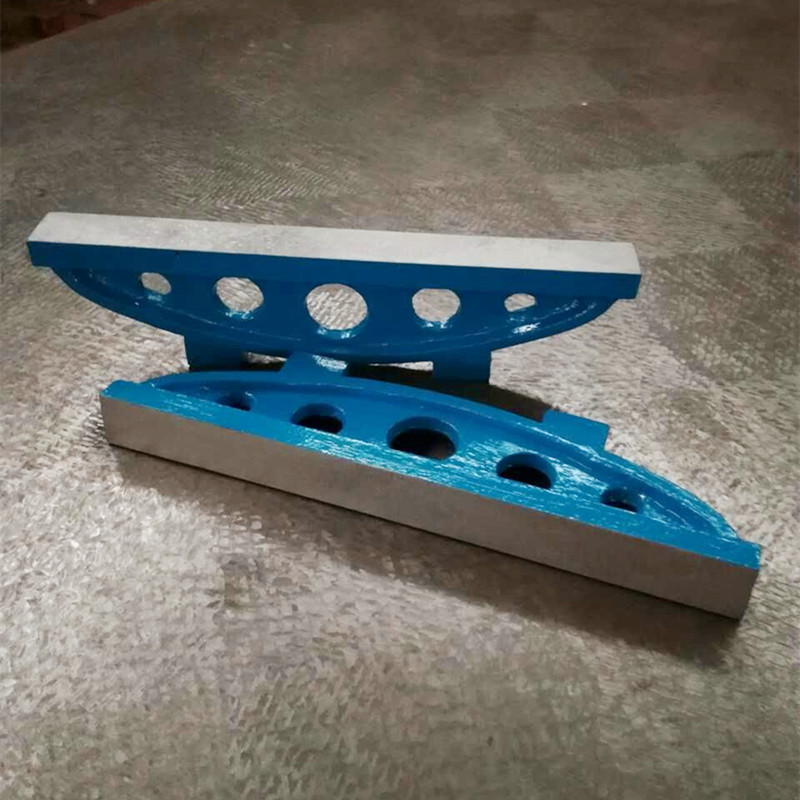
The Importance of Large Granite Surface Plates in Precision Engineering In the realm of precision engineering and quality control, large granite surface plates stand as indispensable tools. These flat, stable surfaces play a critical role in various applications, from simple layout work to the most complex machining processes. Their properties make them uniquely suited for ensuring measurement accuracy and facilitating the inspection of parts in manufacturing and engineering environments. Granite is a naturally occurring stone composed mainly of quartz, feldspar, and mica. Its inherent properties—such as hardness, strength, and resistance to wear—make it the ideal material for surface plates. The large granite surface plates are particularly valued for their ability to provide a stable reference plane that ensures precision during various measurement processes. They are often used in conjunction with other measuring tools like calipers, micrometers, and gauge blocks, forming a complete quality assurance system in a workshop. One of the most significant advantages of large granite surface plates is their superior flatness and rigidity. Precision granite surface plates are meticulously manufactured to meet tight tolerances that can be critical in engineering applications. A highly flat surface reduces the margins for error in measurements and ensures that components are machined accurately according to specified dimensions. This accuracy reduces the likelihood of assembly problems later in the production process, thereby saving time and resources. Additionally, large granite surface plates are resistant to thermal expansion and contraction, a phenomenon that can affect measurements if temperatures fluctuate. Unlike metal plates, which can change dimensionally with temperature variations, granite remains stable under varying conditions . This stability is vital in environments where precision is paramount, such as aerospace and automotive manufacturing, where even the slightest errors can lead to catastrophic failures. large granite surface plate Another essential feature of granite surface plates is their resistance to corrosion and chemical damage. While metal surfaces might corrode or rust when exposed to moisture or various chemicals, granite remains unaffected. This property allows for their use in a range of environments, including those involving fluids or corrosive materials. By maintaining their integrity over time, large granite surface plates contribute to a prolonged lifespan of measuring tools and equipment, reducing maintenance costs for manufacturers. Furthermore, the surface of granite plates can be polished to an incredibly fine finish, enhancing their performance. A smoother surface means less friction when placing or sliding other tools across them. This property not only protects both the granite surface and the measuring tools from wear but also allows for smoother operation, facilitating precision tasks with ease. In addition to their functional benefits, large granite surface plates are often visually appealing, characterized by their natural patterns and colors. This aesthetic quality makes them not only practical equipment but also a notable feature in engineering and inspection facilities. Many workshops choose to showcase their granite plates as a testament to their commitment to quality and precision. To ensure that these tools maintain their accuracy over time, it is essential to care for large granite surface plates properly. Regular cleaning with non-abrasive materials and periodic calibration checks are crucial practices. Operators should also be trained in proper handling techniques to prevent chipping or damage, ensuring that these plates retain their precision characteristics for many years. In conclusion, large granite surface plates are a cornerstone of precision engineering, offering exceptional flatness, durability, and resistance to environmental factors. Their advantages in measurement accuracy, stability, and longevity make them invaluable assets in manufacturing and inspection settings. As technology continues to evolve, the role of granite surface plates remains crucial in maintaining the high standards required in modern engineering. Whether in high-tech industries or traditional manufacturing, these tools stand as a testament to the importance of precision in achieving quality outcomes.
about
what is a glass float
The Importance of Metal Fabrication Protractors in Precision Engineering In the realm of metal fabrication, precision is not just a requirement; it is a necessity. The metal fabrication protractor stands out as one of the quintessential tools that enable fabricators to achieve the required accuracy in their work. This simple yet effective instrument plays a critical role in various aspects of fabrication, from measuring angles to ensuring perfect cuts. A metal fabrication protractor is typically made of high-quality stainless steel or aluminum, ensuring durability and resistance to corrosion. Its design usually includes a pivot point, a movable arm, and clear markings that indicate angle measurements . The versatility of the protractor allows it to be used in multiple applications, making it an indispensable tool for engineers, metalworkers, and hobbyists alike. One of the key advantages of using a protractor in metal fabrication is its ability to provide quick and accurate angular measurements. Whether working on intricate designs or large structural components, the protractor enables fabricators to determine precise angles, which is critical for joints, fittings, and connections. This accuracy not only enhances the aesthetic appeal of the finished product but also ensures its structural integrity. metal fabrication protractor Moreover, the metal fabrication protractor simplifies the process of marking and cutting materials. With the aid of this tool, fabricators can easily draw lines for cuts, enforce accurate alignment, and ensure that each piece fits together seamlessly. This efficiency reduces waste and increases productivity, allowing projects to be completed on time and within budget. In addition to angle measurements, many modern protractors come equipped with features such as digital displays, built-in levels, and even laser guides. These advancements enhance the user experience and further improve measurement accuracy. Digital protractors, for instance, offer easy-to-read displays, while laser guides can help visualize angles and allow for more complex layouts. Training and skill development are also crucial elements in maximizing the use of metal fabrication protractors. While the tool itself is relatively straightforward, understanding its full potential requires practice and familiarity. Fabricators who invest time in mastering this instrument often see significant improvements in their work quality. In conclusion, the metal fabrication protractor is an essential tool for anyone involved in precision engineering. By ensuring accurate angle measurement and providing ease of use, it helps fabricators produce high-quality work efficiently. As technology advances, the protractor continues to evolve, maintaining its relevance in an ever-changing industry. For professional fabricators and enthusiasts alike, mastering this tool is key to achieving excellence in metal fabrication projects.
-

High quality industrial productsagement

High quality industrial products
View Details -

Meet the diverse needs of customers

Meet the diverse needs of customers
View Details -

Strict quality control

Strict quality control
View Details -

Top raw materials

Top raw materials
View Details -

Trusted supplier

Trusted supplier
View Details
Our application

news and information
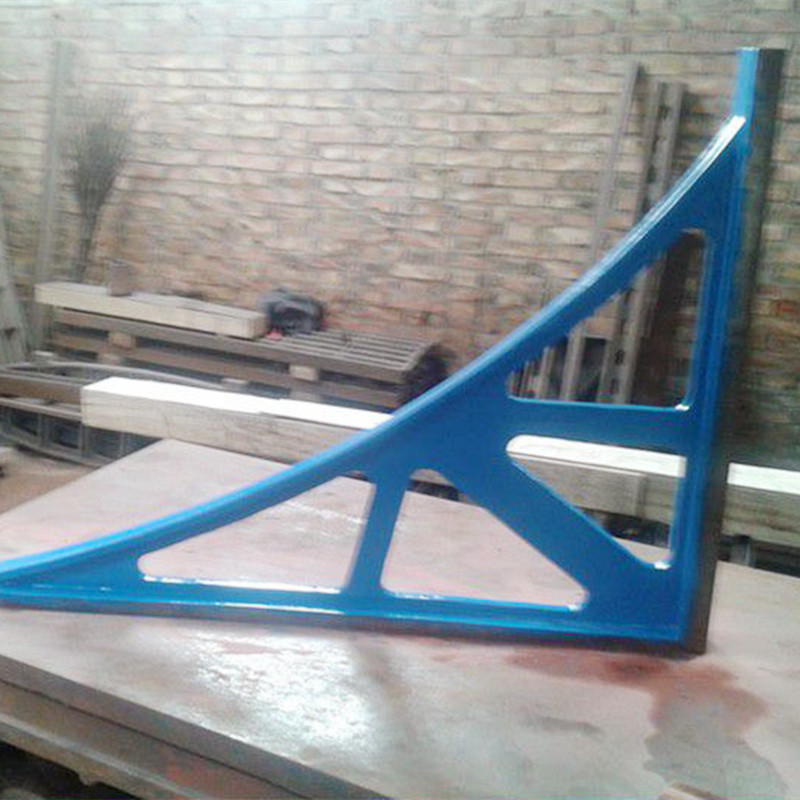
Versatile Metal Angle Ruler for Precision Measurements and Projects
The Versatility of the Metal Angle Ruler in Precision Measurement In the world of craftsmanship, eng

Valvola filtro tipo y
La Valvola Strainer di Tipo Y Importanza e Funzionamento La valvola strainer di tipo Y è un componen
What is the Difference Between a Gate Valve and a Globe Valve_
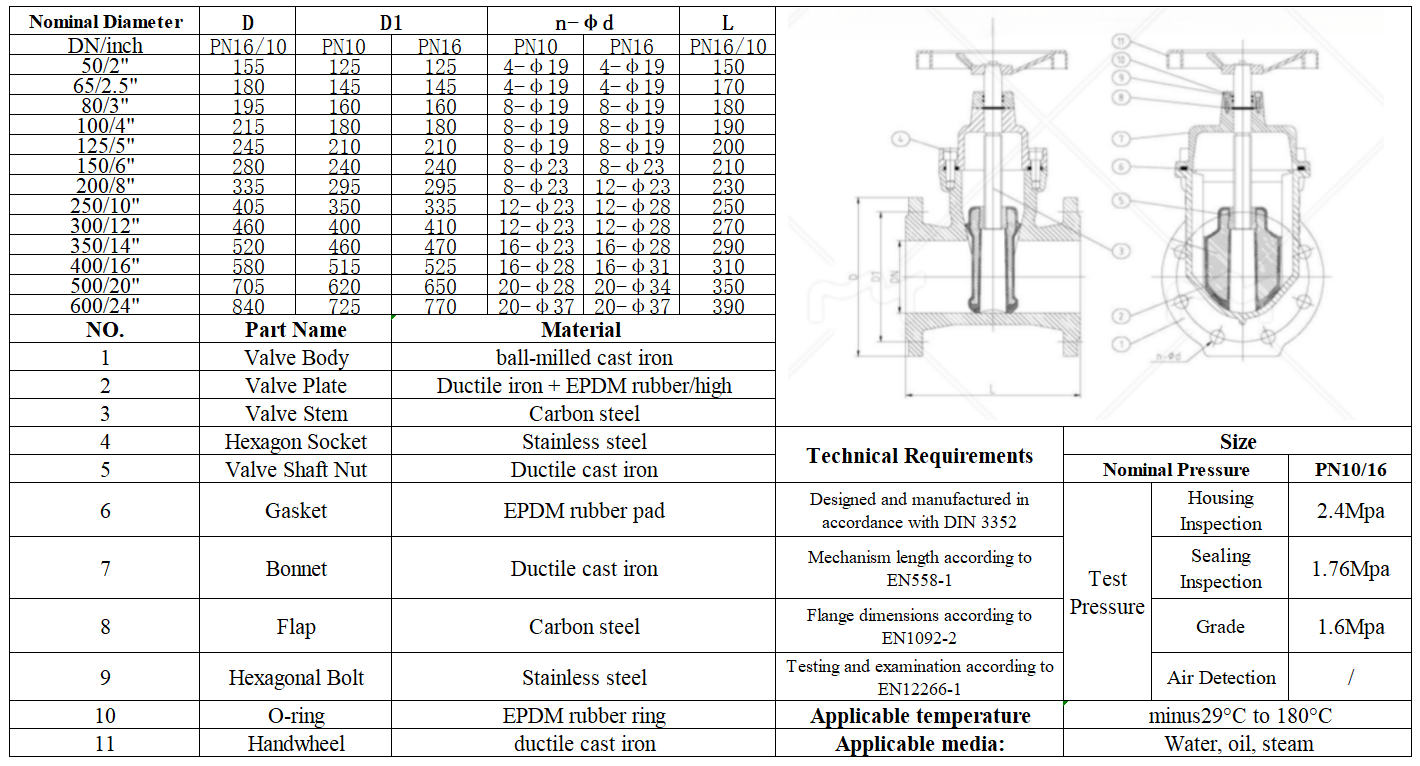
When navigating the world of industrial valves, understanding the nuances between various types can
 English